When Speech Loss Changes Everyday Communication
Ordering coffee, answering a phone call, or telling a family member that something hurts can become difficult when speech is lost. A person may still know exactly what they want to say, yet communicating it can require typing, selecting symbols, or relying on someone who understands familiar gestures. These extra steps take time and can make ordinary conversations feel tiring or isolating.
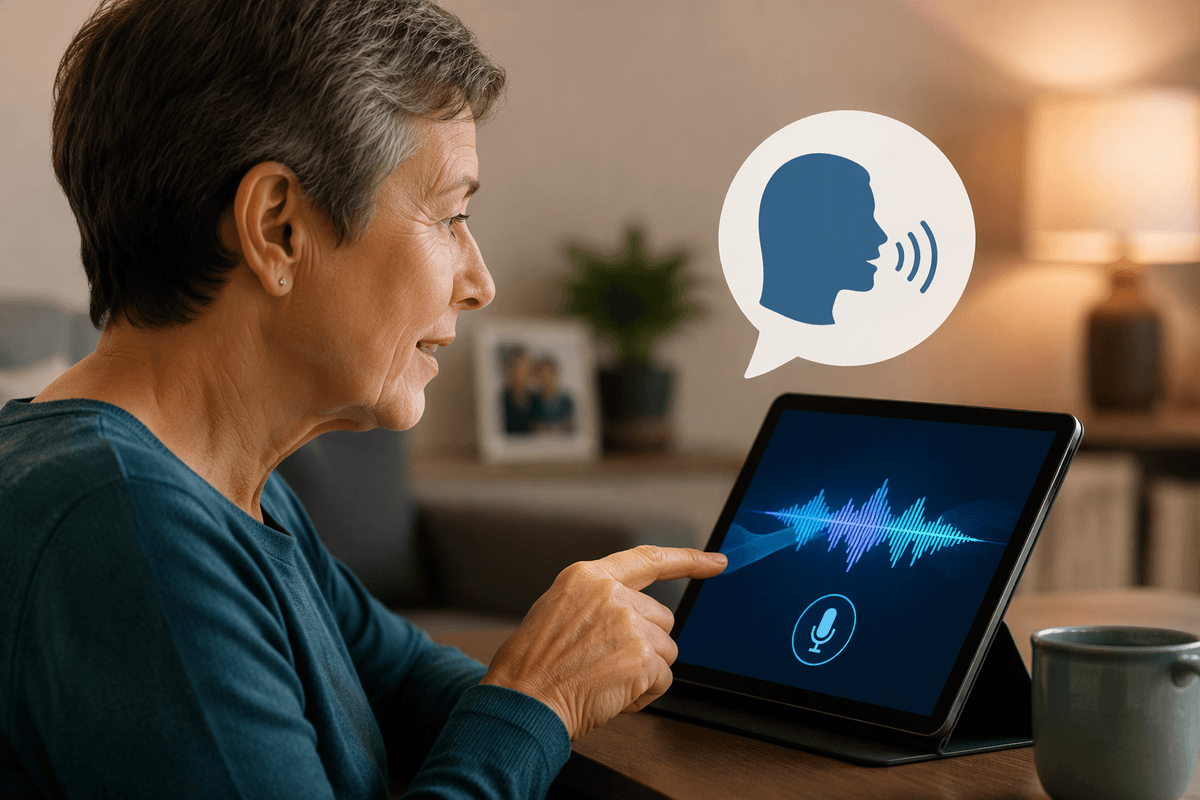
AI-based speech technology aims to reduce that distance by turning typed or selected words into spoken language. It can be especially useful for people whose speech has changed because of conditions such as stroke, ALS, or throat cancer. The technology does not restore natural speech for everyone, however. Its usefulness depends on factors such as motor control, language ability, access to suitable devices, and whether the resulting voice feels recognizable and comfortable to use.
How AI Learns to Reconstruct a Voice
Reconstructing a voice usually begins with recordings made before or after speech loss. The system studies how a person forms sounds, including pitch, rhythm, pronunciation, and pauses. It then uses those patterns to build a digital voice that can read new words aloud. In some cases, older recordings, voicemail messages, videos, or family recordings provide enough material to create a recognizable result. Newer systems may also work with limited recordings, which matters when a person’s condition makes long recording sessions difficult.
The process is not the same as copying a complete human voice. The AI learns statistical patterns and predicts how that voice might produce words it has never heard. A speech device then combines the selected or typed text with those predictions. The result can sound more personal than a standard computer voice, but accuracy varies. Changes in breathing, muscle control, language ability, or recording quality can affect the outcome. Training may also require time, technical support, and repeated adjustments before the voice feels natural enough for daily use.
From Typed Words to More Natural Conversation
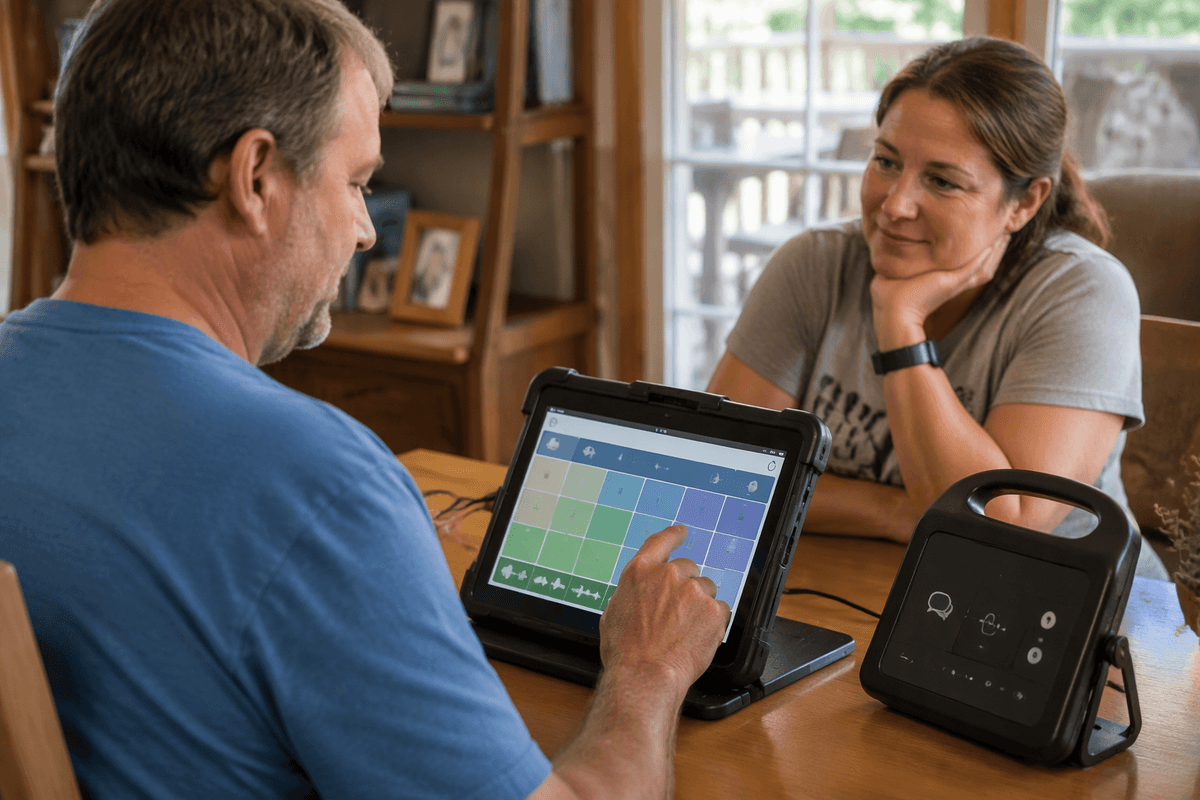
For many users, the biggest change is not the voice itself but the path from an idea to a spoken sentence. A person may type on a tablet, choose words from a communication board, or use prediction tools that suggest likely phrases. The system converts that input into speech, often allowing the user to adjust speed, volume, pronunciation, or pauses before speaking. These controls can make communication faster, especially for familiar requests and repeated situations.
More natural conversation depends on reducing the number of choices a person must make. Word prediction, stored phrases, and context-aware keyboards can help someone answer common questions without entering every word. Some systems also support faster access through eye tracking, switches, or other input methods when hand movement is limited. Even so, speed remains a practical constraint. A generated sentence may take longer than ordinary speech, and prediction can produce mistakes that require correction. Background noise, poor internet access, limited battery life, or a crowded conversation can add further frustration. The goal is not to make every exchange effortless, but to give the user more control and fewer barriers to being heard.
Personalization Makes the Technology More Useful
A voice becomes more useful when it fits the person’s life, not just their medical history. Users may want different voices for different settings: a familiar everyday voice for family conversations, a clearer version for phone calls, or a stronger volume for busy public spaces. Personalization can also include preferred words, names, accents, speaking speed, and phrases used often at work, school, or home. These details reduce the effort needed to make the system sound and behave in a familiar way.
Personalized communication tools can also reflect changes over time. A user may add shortcuts for medical needs, jokes, greetings, or instructions that caregivers hear repeatedly. Some systems can learn which phrases are chosen most often, although users should be able to review, change, or remove those suggestions. Building this personal layer takes effort. Someone may need help locating old recordings, correcting pronunciations, organizing phrase lists, or adjusting settings after a health change. Privacy is another concern, since voice recordings and communication habits are sensitive information. Personalization improves usefulness, but it works best when the user remains in control of what the system learns and how the resulting voice is used.
What Users Still Have to Navigate
Using an AI speech system often involves more decisions than choosing a voice. Users may need to compare devices, communication apps, access methods, and funding options. A tablet may be portable but difficult to control with limited hand movement. Eye-tracking equipment can improve access, yet it may require careful setup, good lighting, and training. Insurance coverage and technical support also vary, leaving families to weigh price, repair needs, and long-term availability before committing.
Reliability can change from one situation to another. A system that works well at home may be harder to use in a noisy restaurant, during a rushed medical visit, or when the battery is low. Voice output may mispronounce a name, miss the user’s intended meaning, or sound less clear when the person is tired. Users therefore often need backup strategies, such as saved phrases, a printed communication card, gestures, or a familiar caregiver who can help interpret. These limits do not erase the value of personalized speech, but they show why successful use depends on training, maintenance, accessibility, and realistic expectations—not only on the quality of the AI voice.
The Hard Questions Behind a New Voice
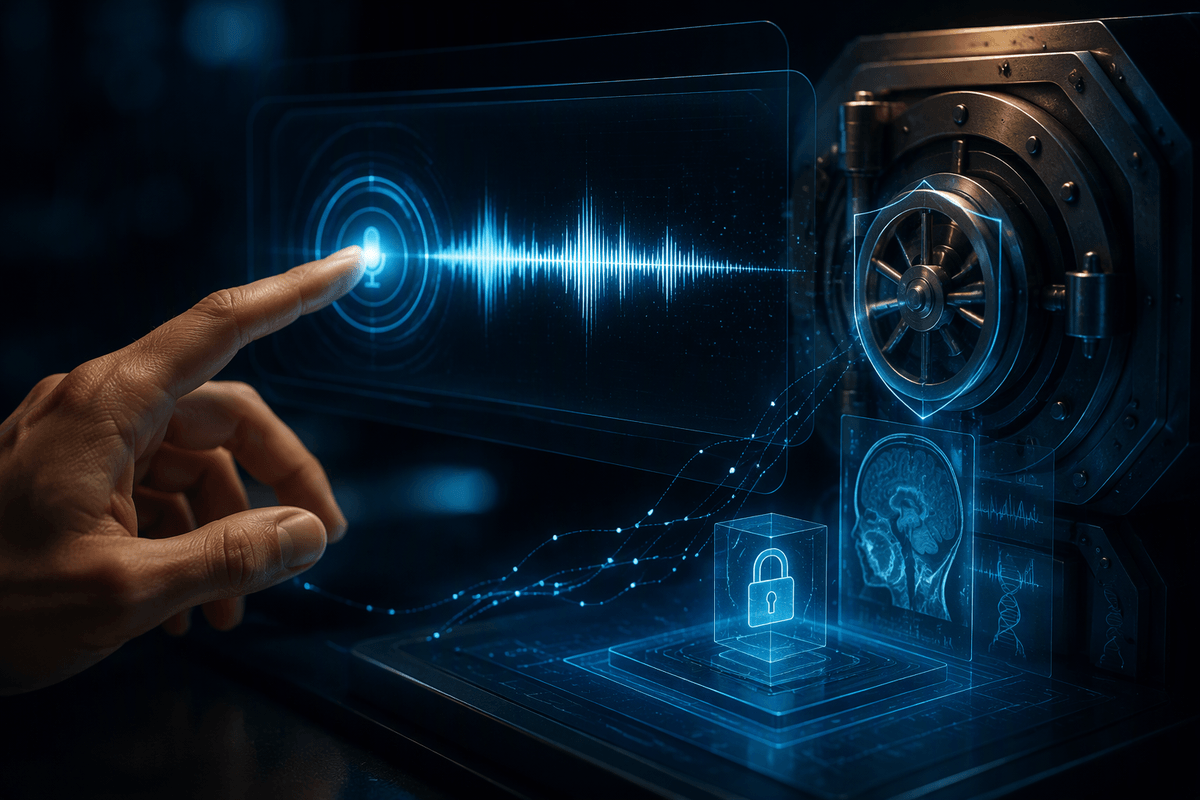
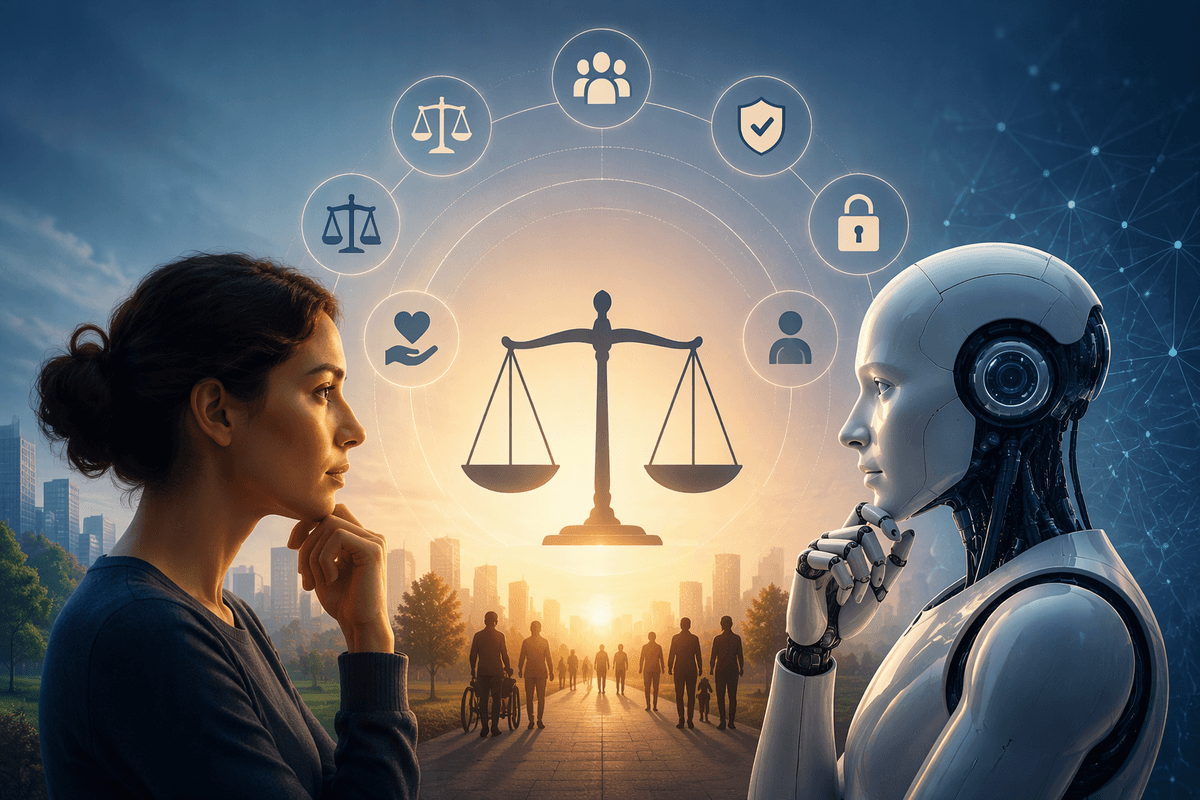
A reconstructed voice can make communication feel more personal, but it also raises questions about identity and consent. Who should decide how the voice sounds: the user, family members, clinicians, or the company that provides the software? A person may want a voice that resembles their former speech, while relatives may prefer a familiar recording from before illness. The choice can carry emotional weight, especially when hearing the new voice reminds people of what has changed.
Privacy and security matter just as much. Voice recordings, medical details, typed messages, and communication patterns can reveal sensitive information. Users need clear explanations of where that data is stored, who can access it, and whether it may be used to improve another product. There is also a risk that a copied voice could be used without permission to create misleading messages or impersonate someone. Strong consent rules, easy ways to delete data, and visible safeguards cannot remove every concern, but they can keep convenience from taking priority over control. A useful voice should represent the user without speaking beyond what the user intended.
A More Personal Future for Assistive Speech
For someone living with speech loss, the most valuable system may not be the one with the most advanced voice model. It may be the one that works reliably during a medical appointment, keeps familiar expressions available, and remains usable when energy, movement, or attention changes. Future tools are likely to combine voice reconstruction with faster access methods, better phrase prediction, and settings that adapt without taking control away from the user.
That progress should be measured by communication, not technical novelty. A personalized AI voice can help someone participate more fully in family life, work, and public decisions, but it still requires dependable hardware, privacy protections, human support, and backup options. The practical promise is substantial: not restoring the past, but giving people a clearer, more personal way to speak on their own terms.