Machine learning sounds exciting on paper. It seems like the kind of thing that can transform a business overnight. The reality, though, is often a little less shiny. For many organizations, jumping straight into it without a plan feels like trying to run a marathon without shoes. It’s hard, painful, and you’ll probably want to quit halfway through.
That’s why investing in machine learning should never be rushed. It’s not something you roll out across your entire operation in one go. The smarter move is to take it one step at a time. This approach not only saves money but also prevents confusion and burnout across teams. And it lets you learn and adjust before the stakes get too high.
Big Bang Approaches Create Bigger Problems
There’s a belief among some business leaders that if you go big and fast, you’ll see results quicker. But when it comes to machine learning, this thinking can backfire. Rolling out complex models without truly understanding what they need to work is like trying to bake a cake without knowing the ingredients.
A model is only as good as the data behind it. And in most organizations, that data isn’t exactly perfect. It’s scattered across systems, collected inconsistently, and sometimes not even labeled correctly. If you build everything at once, these issues will come up all at the same time. That leads to stress, wasted effort, and often, failure. Taking an incremental approach means you can tackle one problem, clean the data for that use case, and actually learn what works.
Small Wins Build Confidence
Nobody likes being forced to use something they don’t understand. That’s exactly what happens when machine learning is rolled out company-wide without context. People are handed new tools, dashboards, or reports without knowing where they came from or why they matter.
But when a company starts with small, focused projects, something different happens. Employees begin to see results they understand. They can follow the process, ask questions, and get familiar with how things work. This builds trust. And once you have trust, adoption becomes natural—not forced.
These early wins don’t just help employees. They also give leadership real insight into what machine learning can do when used wisely. It's a way to test things without risking everything.
Budget Stays Under Control

Here’s something often overlooked: machine learning comes with hidden costs. It’s not just the tool or the software license. You may need to upgrade infrastructure, store more data, or even hire people with new skill sets. Those costs can stack up quickly, especially if you’re moving too fast.
By taking things slow, you stretch your budget. You only spend on what’s needed right now, not what you might need in a year. If one phase works, you move to the next. If it doesn’t, you’ve lost far less than you would in a full-scale rollout. It’s not about being cheap. It’s about being smart with your money.
Data Issues Can’t Be Ignored
This is a big one. Machine learning lives and dies by data. If your data is messy, out of date, or unreliable, no model can save you. But most businesses don’t know just how messy their data is until they try to use it for something advanced.
If you launch too many models at once, you suddenly find yourself neck-deep in data problems, trying to fix everything at the same time. That’s not a good place to be. A gradual approach helps surface those issues slowly. You can clean and structure the data for one use, then carry that learning forward into the next phase. Over time, this creates healthier data practices across the board, without overwhelming anyone.
People Need Time To Adjust
It’s easy to forget this part. Machine learning is about tech, sure—but it’s also about people. Teams need time to learn new tools, adapt to new workflows, and understand how decisions are being made. If you introduce too many changes all at once, it’s natural for people to resist.
When adoption is gradual, the process feels a lot less intimidating. It’s easier to get buy-in from different departments when they’re part of the process, not just recipients of the final product. They’re more willing to participate, give feedback, and even help shape the future direction of machine learning in the organization.
Not Every Problem Needs ML
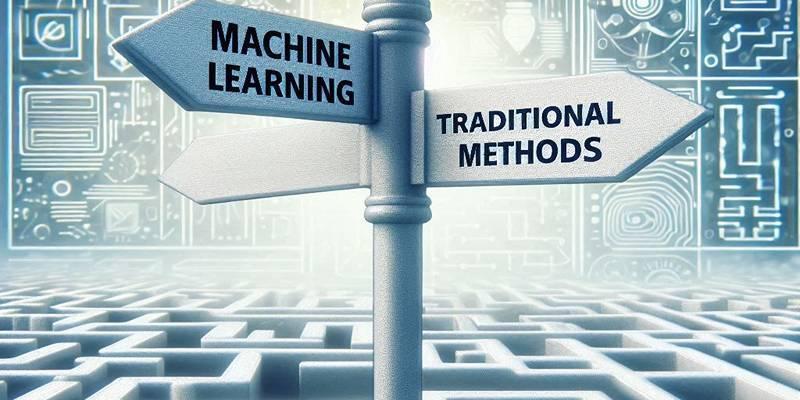
One unexpected advantage of a slower rollout is that it helps leaders ask better questions. When you move too fast, it’s easy to apply machine learning to everything—whether it needs it or not. That leads to overengineering and frustration.
But when you focus on one challenge at a time, you’re forced to think clearly. You start by asking: Is this really a machine learning problem, or could it be solved another way? That’s a powerful filter. It saves time, avoids unnecessary work, and makes sure your resources go to the problems that truly need them.
You Get Better Over Time
The more time you spend building machine learning gradually, the more you grow your internal knowledge. You learn how to clean data faster, spot bad predictions early, and manage models effectively. These skills take time. And they’re not something you can download or outsource. They come from practice.
Each small step adds to your maturity as an organization. You become less reliant on vendors and more confident in your ability to manage things in-house. That kind of growth doesn't happen overnight, and it doesn’t come from rushing.
Conclusion
Machine learning can be a powerful tool. But only if it’s introduced with care, patience, and a plan that makes sense. Big promises and flashy presentations won’t carry you through if your systems, people, and data aren’t ready. Starting small allows you to build the muscle memory needed for long-term success. It keeps costs manageable, helps people stay involved, and lets you learn at your own pace.
Organizations don’t need to sprint toward machine learning. They need to walk steadily, paying attention to each step. That’s not just a safer route—it’s a smarter one.