Talking to an AI assistant once felt like sending commands to a robot. The voices were stiff, the tone was cold, and every response sounded rehearsed. You had to phrase things perfectly to get a simple answer. Fast-forward to today, and something remarkable has changed. AI assistants now hold conversations that feel almost natural. They can joke, remember what you said earlier, and speak in a way that sounds warm and thoughtful.
This transformation didn’t happen overnight. It’s the result of years of research in language understanding, speech design, and emotional learning. These systems are moving closer to what people expect from genuine human communication. They can interpret meaning, sense tone, and even mirror empathy. The result is that interactions that once felt robotic now feel like talking to a patient, a polite companion who truly listens.
Shift From Commands To Conversations
In their early days, AI assistants were little more than voice-operated buttons. You had to say exact words like “Play song” or “Call John.” Anything outside that pattern confused them. There was no real conversation — cause and effect.
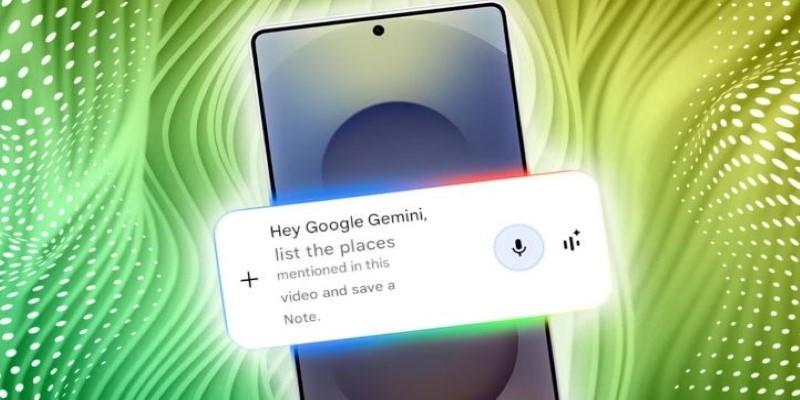
Modern assistants, though, can handle free-flowing language. You can speak casually, ask follow-up questions, or change topics mid-sentence, and they still keep up. This change comes from advanced language models that understand meaning instead of only matching keywords. That’s why you can say, “Could you remind me to call my sister when I reach home?” and it automatically connects your location with the reminder.
Power Of Language Understanding
Language understanding is the heartbeat of today’s AI assistants. Natural language processing helps them analyze what we say and figure out what we mean. They don’t just look at individual words; they analyze sentence patterns, tone, and intent.
For example, if you say, “I’m starving,” the assistant doesn’t take it literally. It interprets that as a sign you’re hungry and might suggest nearby restaurants or recipes. This grasp of nuance marks the difference between simple command-based systems and modern conversational assistants that actually “get” us — at least on the surface.
Building Memory For Context
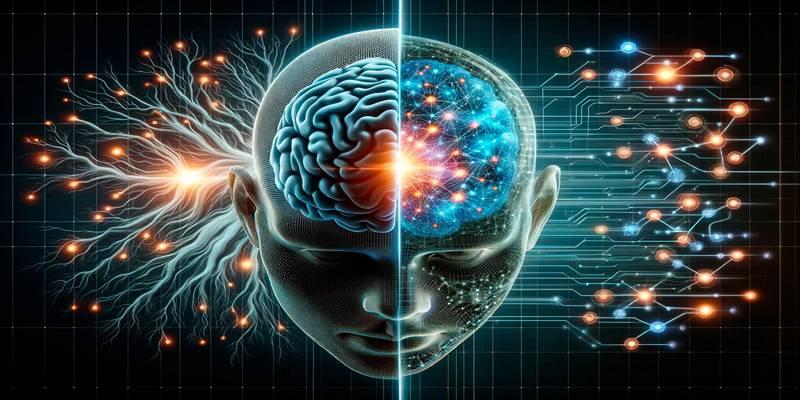
Another reason conversations feel more human is that assistants can now remember context. In the past, if you asked, “What’s the weather in Paris?” and followed with, “And what about Rome?”, the assistant would lose track of the subject.
Now, it understands that “what about Rome” refers to the weather, too. This continuity makes chatting with AI flow naturally. It’s like speaking to someone who listens instead of resetting every few seconds. Memory helps the assistant stay connected to earlier parts of the chat, which makes it more intelligent and personable.
Giving Machines A Voice That Feels Alive
Speech is more than words. It carries emotion, rhythm, and personality. Early computer voices were flat and mechanical, almost impossible to connect with. But recent advances in voice synthesis have changed that. Engineers have taught machines to reproduce the natural melody of human speech — the pauses, intonation, and emphasis that make communication expressive.
Today’s AI voices can shift tone depending on what they’re saying. They might sound cheerful when greeting you or serious when explaining something important. Those small details bring warmth to digital interactions and make users more comfortable talking to technology.
Teaching Emotional Awareness
Human conversation depends on emotion as much as logic. When someone sounds sad, happy, or tired, we change our tone instinctively. Developers are teaching AI assistants to do something similar by analyzing the emotional cues hidden in our words and voices.
If you say, “I’m feeling low today,” an advanced assistant might respond gently, suggesting music or a breathing exercise. It’s not true empathy — the assistant doesn’t feel sympathy — but it mimics empathy convincingly. This simulated emotional awareness makes people feel understood and supported, even by a machine.
Personalization Makes It Feel Real
Every interaction you have with an AI assistant teaches it something about you. It learns your voice, preferences, and habits over time. It remembers that you like coffee updates in the morning, reminders in the evening, and upbeat music while cooking.
This personalization helps create a familiar rhythm. When your assistant greets you by name or anticipates your next request, it gives the illusion of a relationship. That sense of recognition is what makes these assistants seem more like companions than cold pieces of software.
Finding Balance Between Real And Uncanny
Designers face a challenge when making AI sound human. If the voice is too robotic, users lose interest. If it’s too realistic, it can feel eerie — a reaction known as the “uncanny valley.” The trick lies in giving assistants just enough human warmth without crossing into unsettling territory.
To strike that balance, some assistants now use subtle imperfections: a quick breath, a natural pause, or an occasional informal word. These minor flaws make the speech sound believable. They remind users they’re speaking to technology that’s friendly but still artificial.
Technology Working Behind The Scenes

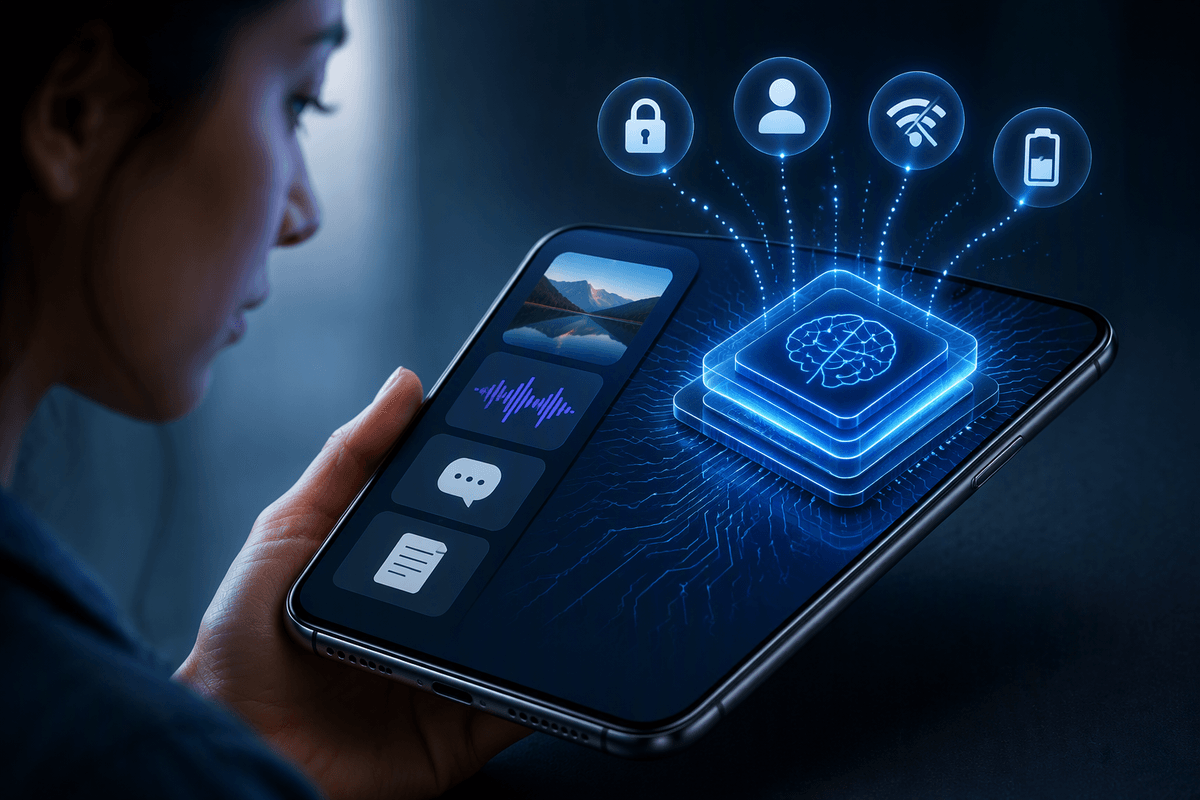
Under the surface, these assistants rely on a mix of powerful tools. Speech recognition converts sound into text. Language models interpret that text to find meaning. Speech engines then turn the response back into spoken words. Machine learning keeps improving these systems as they gather new data from user interactions.
The more people talk to their assistants, the smarter and smoother they become. Each conversation fine-tunes their ability to respond naturally, improving the illusion of genuine understanding.
Conclusion
AI personal assistants have evolved from simple command followers into conversational partners that feel alive. They understand natural language, remember context, and adapt tone to match emotion. Their voices sound warm, their timing feels natural, and their memory makes them attentive.
What used to feel like talking to a robot now feels like chatting with a friendly helper who knows you well. As these systems continue to grow smarter, the line between digital response and genuine conversation will keep blurring — and soon, talking to your assistant may feel almost as natural as talking to a friend.